

Sleep disorders can interfere with energy, concentration, mood, and overall health, yet many people aren’t sure where to go for testing. Sleep studies can be performed in dedicated labs, hospitals, or sometimes at home, depending on the suspected condition. Knowing what each option involves and how to locate a qualified provider can make the path to diagnosis much clearer.
What a Sleep Study Actually Tests For
A sleep study is a diagnostic tool used by medical professionals to identify disorders that disrupt normal rest. Conditions commonly detected through these tests include sleep apnea, insomnia, restless leg syndrome, and narcolepsy (source). Each condition presents differently during sleep, which is why specialized monitoring equipment and trained technicians play such an important role in producing accurate results.
Sleep apnea is among the most frequently diagnosed conditions through this process. One standard measurement used to determine its presence is the Apnea Hypopnea Index, or AHI. The Apnea-Hypopnea Index measures the number of apnea and hypopnea events that occur per hour of sleep. In adults, an AHI of 5 or higher may indicate sleep apnea, although a sleep specialist also considers symptoms, medical history, physical examination findings, and other sleep study results when making a diagnosis. (source). These episodes can go completely unnoticed by the person experiencing them, making objective testing essential for diagnosis.
How to Find a Sleep Testing Facility
A primary care doctor or sleep medicine specialist can be a useful starting point when looking for a testing facility (source). Patients can also search the American Academy of Sleep Medicine’s directory of accredited sleep centers to locate qualified providers in their area (source). AASM accreditation indicates that a facility meets established standards for sleep care and has a board-certified sleep medicine physician leading its clinical team.
Before scheduling, patients should confirm that the facility performs the type of test recommended for their symptoms, whether that’s an overnight laboratory study or home sleep apnea testing. It’s also worth asking whether the center accepts their insurance, whether a referral or prior authorization is required, and who will interpret the results. Comparing location, appointment availability, testing options, and expected out-of-pocket costs can make it easier to choose a facility that fits both medical and practical needs.
In-Lab vs. At-Home Sleep Testing
Patients generally have two main testing formats to choose from: a full in-laboratory study or an at-home sleep apnea test. Both serve important purposes, though they differ significantly in scope and application.
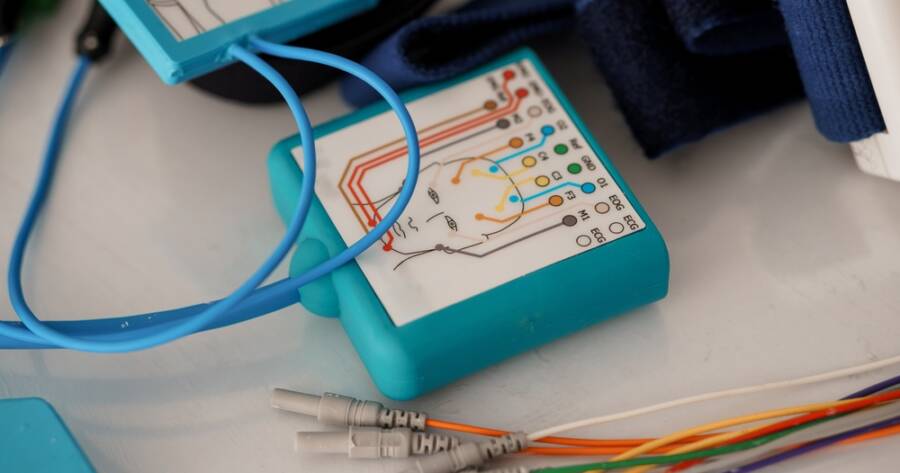
An in-lab sleep study, often called a polysomnography, is conducted at a hospital or dedicated sleep clinic. These facilities use a comprehensive array of sensors to track brain wave activity, heart electrical signals, oxygen levels, and body movement throughout the night (source). The full data set collected in a lab setting allows clinicians to evaluate a wide spectrum of sleep disorders beyond apnea alone.
At-home sleep tests take a more streamlined approach. These typically involve fewer monitoring devices than a full lab study, and they focus specifically on identifying sleep apnea rather than diagnosing the full range of sleep disorders (source). While the convenience factor is significant, patients with symptoms that suggest more complex sleep issues may still need to pursue a full in-lab evaluation to receive a complete picture of what’s happening during their sleep cycle.
Where Sleep Studies Are Performed
Sleep testing takes place in several different settings depending on the type of study ordered and the patient’s individual circumstances. Studies may be conducted at hospitals, dedicated sleep study clinics, or in the patient’s own home (source). The right setting often depends on which disorder is suspected and the level of monitoring required for an accurate result.
Sleep labs — the facilities that specialize in overnight monitoring — typically schedule patients for nighttime sessions, though many also accommodate shift workers by offering daytime appointments (source). This flexibility makes it more practical for a broader range of patients to complete testing without having to rearrange work schedules or daily obligations significantly.
Why You Should Learn More About Sleep Tests Today
Sleep disorders often go undetected for years, quietly affecting energy levels, mood, cardiovascular health, and overall quality of life. The good news is that professional sleep testing is widely available across the United States, with facilities ranging from major hospital centers to independent sleep clinics and at-home testing programs. Whether a person suspects apnea, insomnia, or another condition disrupting their rest, a conversation with a physician is the most reliable first step toward getting answers.
Speaking with a pulmonologist or sleep medicine specialist can clarify which type of study is appropriate and point patients toward qualified facilities in their area. Taking that first step toward proper diagnosis is one of the most impactful actions a person can take for their long-term health and daily wellbeing.